Aerosol Manufacturing and Contract Filling
Assess formulation, pressurised packaging and filling together for your cosmetic and personal-care project.
Request a Project QuoteWhat is contract aerosol manufacturing?
Aerosol manufacturing brings a product formulation and a pressurised packaging system together through compatibility assessment, filling and finishing. In contract manufacturing, the formula, can, valve, actuator and protective cap are planned as one branded project.
Medikoz Medikal assesses cosmetic and personal-care aerosol concepts against their intended use, packaging requirements and filling scope. The project covers more than filling a can: dispensing behaviour, product feel, seal integrity and transport arrangements also matter.
This page focuses on cosmetic aerosols. Explore our wider private label cosmetics service, or see spray production and filling for mechanical pump packaging.
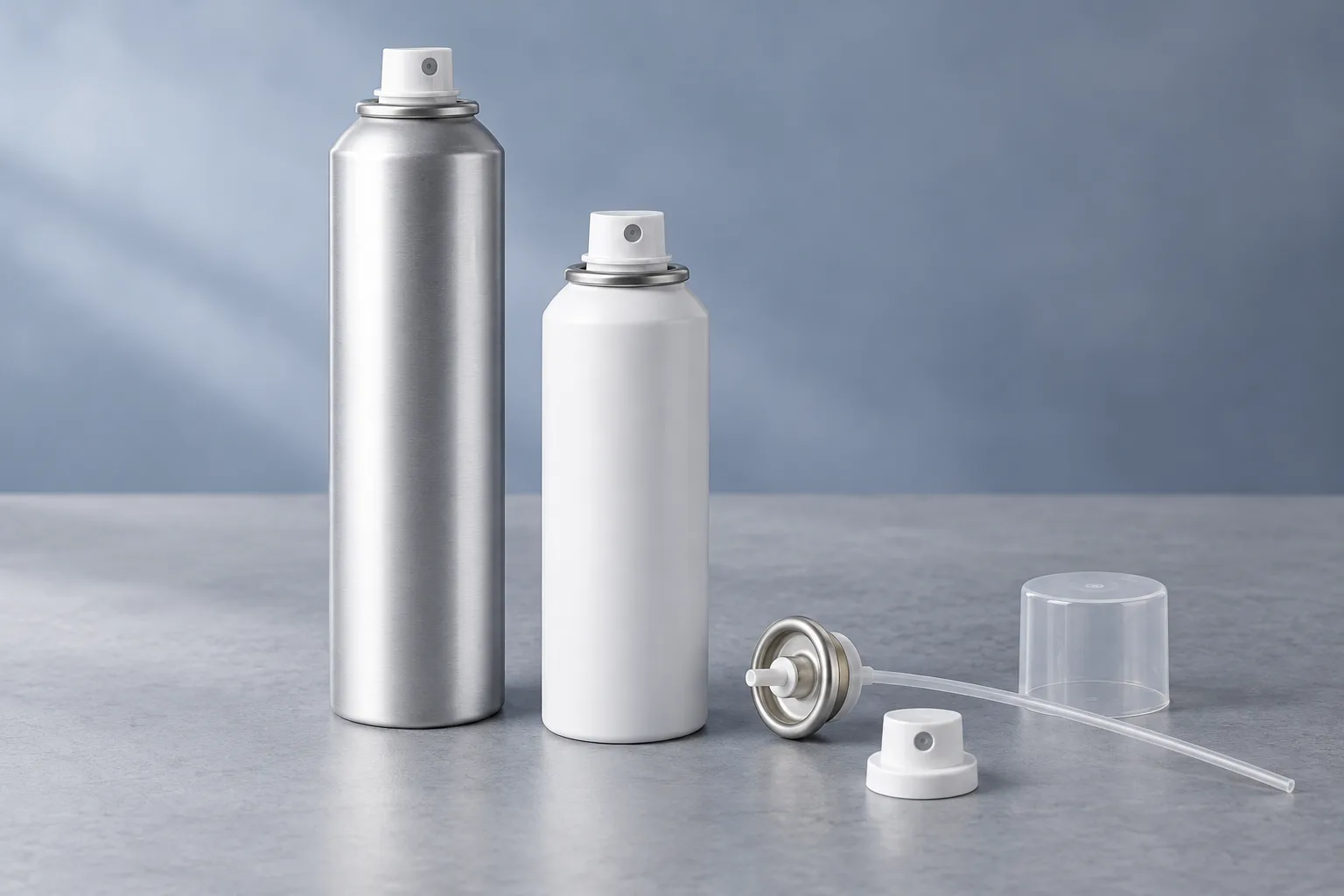
Aerosols and pump sprays: the difference
Spray describes a dispensing action, but not every spray uses the same packaging system. An aerosol operates under pressure; a pump spray dispenses through a mechanical pump. A pump-spray formula should not be assumed suitable for direct transfer into an aerosol can.
- Aerosol: assess the formula, pressurised system, can and valve together.
- Pump spray: review the formula, bottle and mechanical pump performance.
- Selection: consider the desired use experience, product properties, packaging and destination market.
Specify the pack type or provide a reference sample rather than describing the project only as a spray.
Cosmetic aerosol concepts and packaging
Deodorants, hairstyling sprays, dry shampoo or cosmetic foams can be considered as aerosol concepts. Technical suitability is assessed individually; a system suitable for one product should not be assumed suitable for another.
Desired output, such as a spray or foam, affects valve and actuator selection. Can capacity and material also involve more than appearance: the internal surface, closure and product-contact components must be considered together.
For the liquid-shampoo part of a haircare range, explore private label shampoo manufacturing. A pressurised haircare product requires a separate technical assessment.
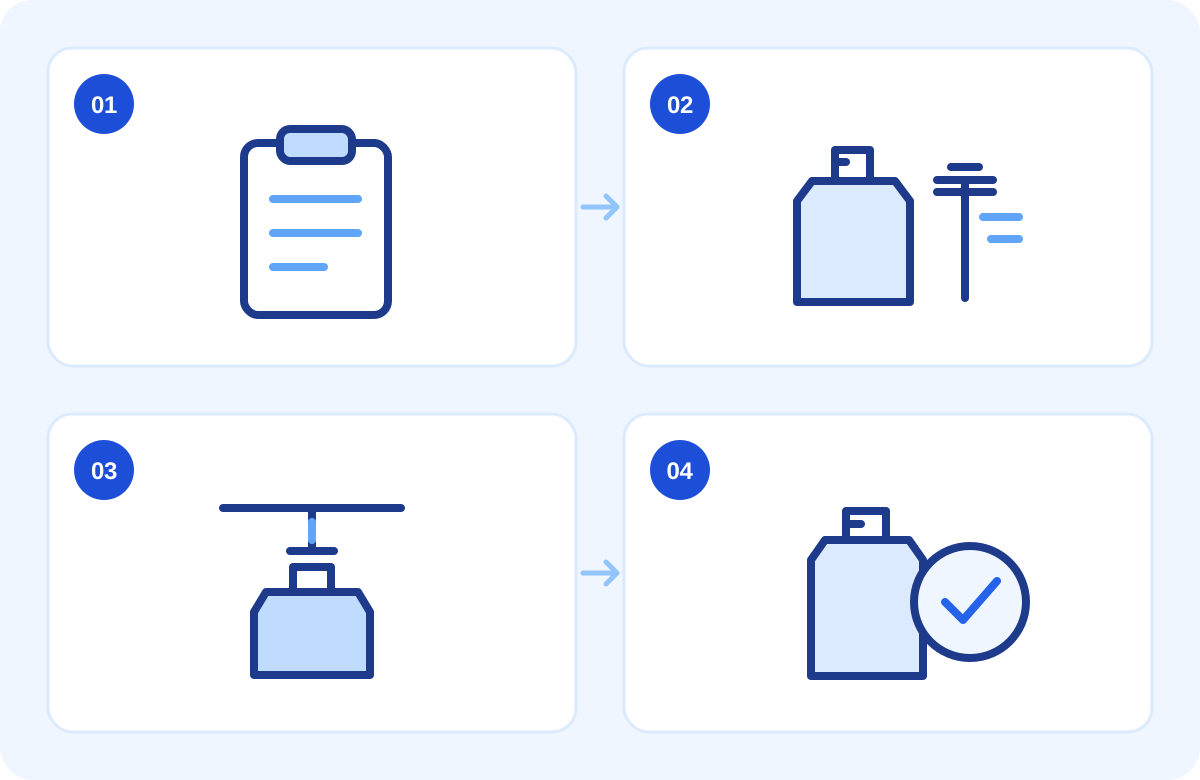
Aerosol filling and production workflow
Contract aerosol filling requires formulation and packaging decisions to be agreed together before production.
- Product definition: state intended use, output, sales market, can size and estimated quantity.
- Formula and packaging assessment: review an existing formula or development brief against the proposed system.
- Samples and system selection: assess the can, valve, actuator and cap combination.
- Production preparation: agree checks, label information and supply arrangements.
- Filling, closure and batch checks: follow the approved technical plan.
- Finishing and delivery: complete labelling, traceability, outer packing and dispatch requirements.
Gas systems, pressure and filling parameters require expert assessment of the product and packaging rather than a generic online recipe.
Can, valve and actuator compatibility
Aerosol performance depends on the components working together. Can material and lining, product-contact valve parts, the dip tube and actuator must suit the formula. An attractive actuator may still deliver the wrong output.
- Dispensing: match the system to the intended spray or foam character.
- Compatibility: consider contact materials and behaviour over time.
- Usability: review actuator function, cap fit and readable labelling.
If you already have a packaging supplier, share technical documents and samples. Filling-line compatibility is confirmed after assessment.
Quality checks and packaging safety
An aerosol quality plan may cover fill quantity, leak integrity, valve operation and dispensing behaviour, alongside formula stability and packaging compatibility. The technical plan determines the applicable checks.
Consider labelling, storage and transport requirements from the outset. Destination, product classification and packaging properties affect the review. A cosmetic care product and a biocidal or other application should not be treated as the same category.
Market responsibilities, documentation and usage or warning information are agreed during project review. A general service description cannot replace product-specific technical and regulatory assessment.
Aerosol manufacturing prices and order planning
Aerosol manufacturing costs reflect the formula, can material and size, valve-actuator set, filling scope, decoration, checks and order volume. Pack capacity alone is not a reliable basis for comparing quotations.
Minimum orders depend on component procurement, product properties and production planning. Sample development, formula adaptation and custom-printed cans may add cost or lead time. Price, minimum quantity and delivery timing are confirmed after a reviewed brief.
Check whether packaging, printing or labels, testing and freight are included. Do not assume a dispatch date before procurement and approvals are agreed.
FAQ: aerosol manufacturing
Is aerosol manufacturing the same as spray filling?
Not always. Aerosols are pressurised systems; pump sprays use a mechanical pump. Their production and control requirements can differ.
Can I develop an aerosol under my own brand?
Yes. Cosmetic or personal-care concepts can be assessed using brand, formula, packaging, quantity and destination-market information. Feasible scope follows technical review.
What is the minimum order?
There is no universal quantity. Can and valve procurement, fill size, formulation and production planning determine feasible minimums.
Can I transfer my existing formula to an aerosol?
Direct transfer should not be assumed. Assess compatibility with the pressurised system and contact materials; adaptation and sampling may be needed.
Can I provide my own cans and valves?
Share samples and technical details. Supply and production responsibilities are agreed after assessing product and filling-system compatibility.
What determines lead time?
Samples, artwork approvals, compatibility work, component procurement and scheduling all affect timing. A firm date requires a project-specific plan.
Preparing an aerosol project enquiry
To request an aerosol manufacturing quotation, share:
- Product type, intended use and audience.
- Expected spray or foam character and any reference product.
- Can size, material and decoration preference.
- Available formula, samples or packaging components.
- Estimated order volume, sales destination and target timeline.
If you are at the concept stage, share your priorities so we can identify the information needed. For pump formats, see contract spray filling; for a wider range, explore private label dermocosmetics.
Discuss Your Aerosol Project
Share your concept, packaging preference and estimated quantity so we can assess the project scope.
Request a Manufacturing Quote